
Gift bag sizes explained, in inches

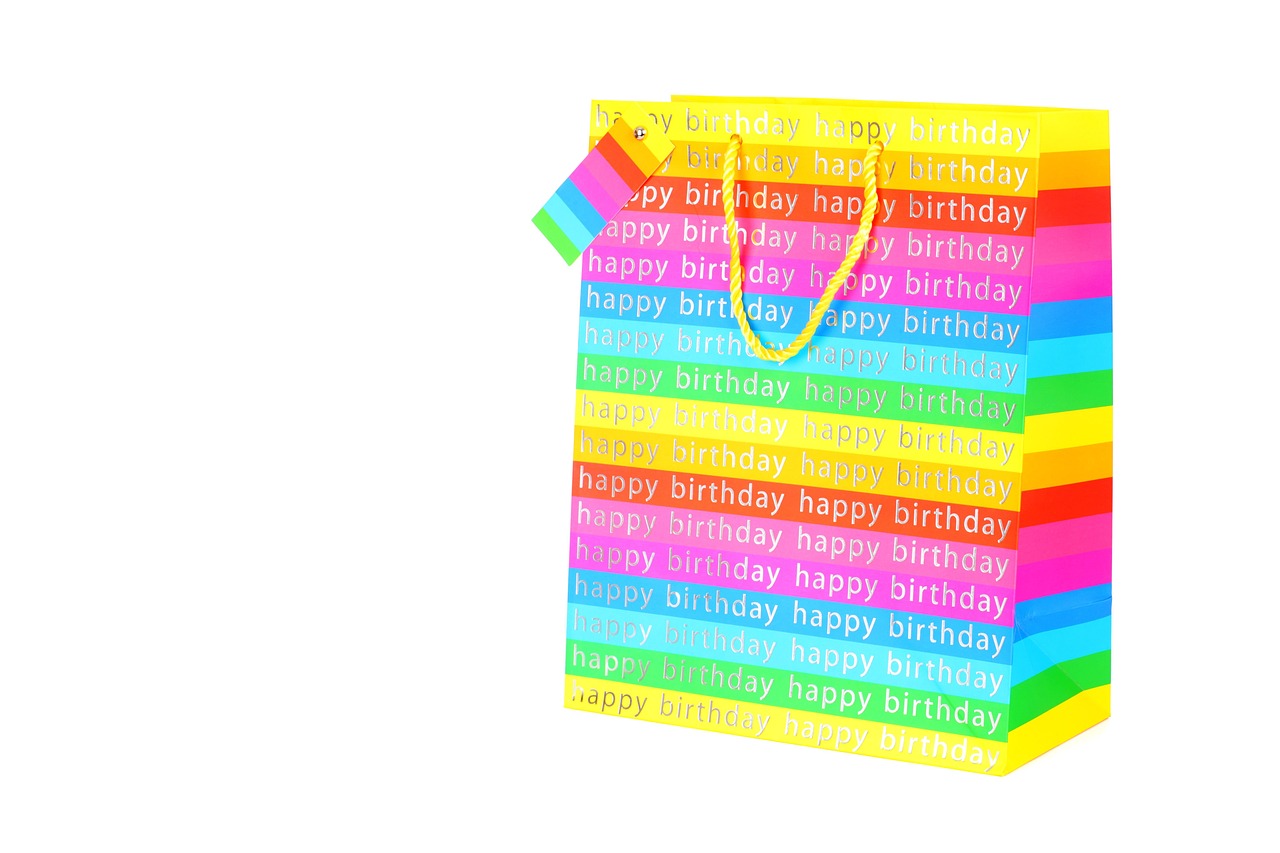
Gift bag sizes explained, in inches
“Small”, “medium” and “large” mean nothing consistent in gift bags. One maker’s large is another’s medium, and the only reliable information is the three numbers. This page explains what those numbers are and how to use them.
Reading the three numbers
A gift bag is quoted as width × depth × height, in inches, and almost always in that order.
- Width is the flat face you see from the front.
- Depth is the gusset — how far the bag opens out from front to back.
- Height is from the base to the top edge, not including the handles.
So a bag listed as 8 × 4.25 × 10.5 has an eight-inch face, opens to four and a quarter inches deep, and stands ten and a half inches tall. Every listing on this site carries all three, in the title, for exactly this reason.
The number people ignore is depth, and depth is what decides whether a boxed item fits. A bag with a two-inch gusset cannot take a shoebox however tall it is.
The common sizes and what they hold
Approximate, because makers vary by a fraction:
- Around 6 × 3 × 8 — small. A mug, a candle, cosmetics, a small book, jewelry in its box.
- Around 8 × 4 × 10 — medium, and the most useful single size. A bottle of wine, a boxed toy, a folded jumper, most books.
- Around 10 × 5 × 13 — large. A boxed appliance, several items together, a cake box.
- Around 10.6 × 4.3 × 8.3 — a wide, shallow shape that suits things broader than they are tall: a framed picture, a board game, a shirt box.
If you buy one size in bulk, the medium is the one that covers the most occasions.
Measuring a gift before you order
Measure the item at its widest, deepest and tallest, then add about an inch to each of the first two and two to three inches to the height. The extra width and depth is so it goes in without forcing; the extra height is so the top of the gift is below the bag opening and tissue can go over it.
A gift that reaches the top of the bag looks like a gift in a bag that was too small, however good the bag is.
Handles
Three types, and the difference is real.
Twisted paper handles are the standard. They are strong for their weight, comfortable enough, and they are recyclable along with the bag.
Ribbon or cord handles look better and feel better, and are usually knotted through reinforced eyelets. They carry more weight before the fixing fails.
Die-cut handles — a hole punched in the top of the bag — have no separate part to fail and no weight capacity worth mentioning.
What breaks is almost never the handle itself; it is where the handle meets the bag. Reinforced handles have a cardboard strip bonded inside the top edge to spread that load, and any bag intended to carry real weight should have one. Where the maker states it, we repeat it in the listing.
Weight capacity
Some manufacturers state a limit — ten pounds is a common figure for a medium kraft bag with reinforced handles. Where a maker states it, the listing carries it.
Where nobody states it, treat a paper bag as good for a few pounds and no more. And keep the weight over the base rather than in one corner; a bag fails when the load hangs off one side.
Never carry anything wet in a paper bag. Paper loses most of its strength when damp, and it fails without warning.
Paper weight, in GSM
Occasionally a listing quotes a paper weight in grams per square metre. Higher is thicker and stiffer. Around 110 gsm is a good general-purpose bag that holds its shape; lighter than that and the bag creases and slumps when it is not full.
A bag that will stand up on a table on its own is worth more than a bag that has to be propped, particularly if it is going on a gift table at an event.
Bulk, and when it is worth it
The per-bag price of a hundred pack is a fraction of the price of four packs of twenty-five. If you host anything annually, run a stall, wrap orders for a small business, or simply give a lot of presents, buying one size in bulk in a neutral colour is the sensible purchase.
Kraft brown and plain white suit any occasion and do not date. Seasonal colours are a smaller purchase for a specific event.
Store spares flat, in the pack they came in, somewhere dry. Paper bags stored in a damp cupboard go soft and never recover their stiffness.
Small assortments
The other half of this shelf is small multi-colour packs, and they exist for a real reason: a children’s party or a set of party favours needs eight or twelve bags in different colours, not a hundred in one.
They are also the right purchase for testing a size before committing to a bulk pack of it.
Where to look
The hundred-packs and bulk kraft are on the bulk kraft bags page. Smaller sizes and small-quantity packs are under small gift bags, sets that arrive with tissue already included are on the gift bags with tissue paper page, and anything metallic, iridescent or multi-colour is under coloured and iridescent bags.
Every title on all four pages carries the three dimensions and the pack count.